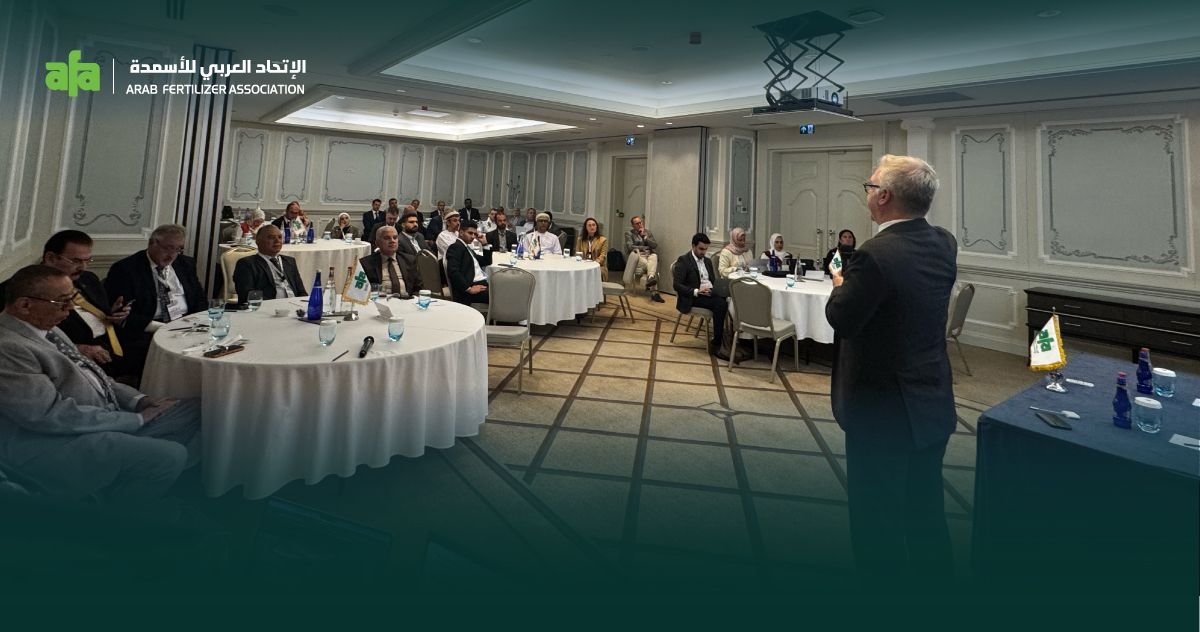
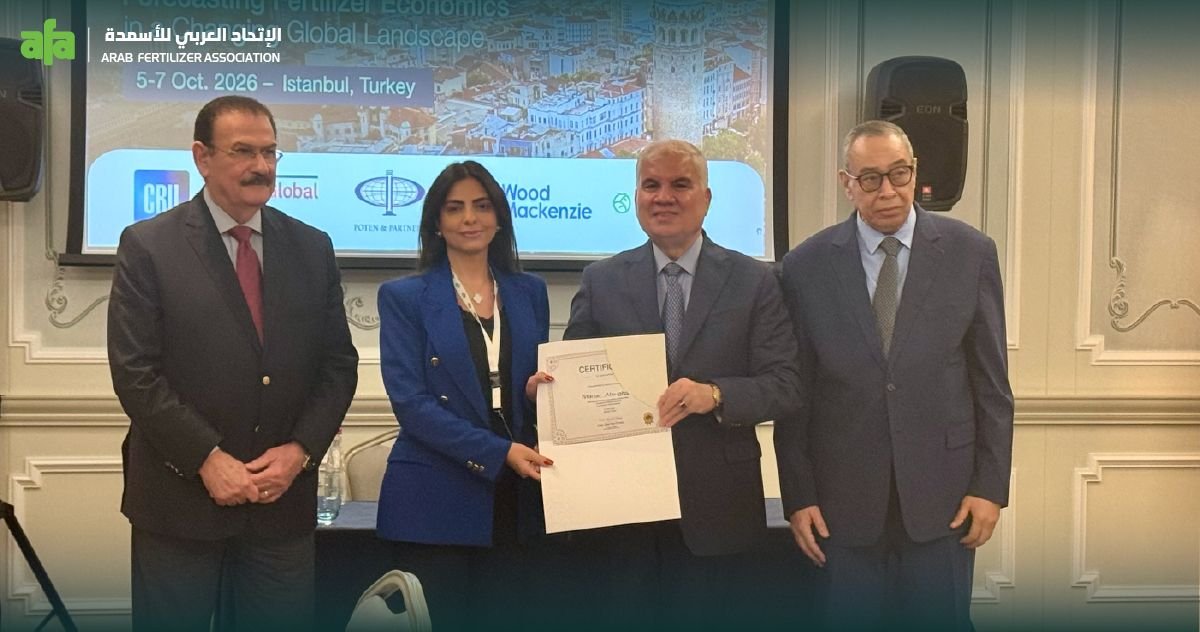
In the presence of Eng. Hany Dahy, Chairman of Abu Qir Fertilizers Company; Eng. Hassan Abdel Aleem, Chairman of Helwan Fertilizers Company; and a number of executive leaders, experts, and specialists, Mr. Saad Abou El-Maati, Secretary General of the Arab Fertilizer Association (AFA), concluded the Economic Workshop organized by the Arab Fertilizer Association in Istanbul, Türkiye, under the title: “Forecasting Fertilizer Economics Amid Global Changes.”
The workshop concluded amid strong appreciation from all participants for the practical value delivered by its program, the specialized technical and economic discussions it facilitated, and the exchange of perspectives and expertise among participants and speakers. The event also resulted in a number of important recommendations aimed at supporting the Arab fertilizer industry and enhancing its ability to adapt to global developments.
Based on the discussions held during the workshop, which addressed developments in fertilizer and energy markets, geopolitical risks, supply chain challenges, and environmental and technological transitions, the following recommendations were issued:
First: Establishing a Market Monitoring and Early Warning Mechanism
The AFA General Secretariat, in cooperation with relevant organizations and industry experts, should develop an implementation framework for a periodic monitoring mechanism covering fertilizer, natural gas, and energy markets, as well as prices, production and shipping costs, and supply risks. The framework should define data sources, update processes, reporting outputs, and implementation requirements.
Second: Strengthening Preparedness for Supply and Transportation Risks
Member companies are encouraged to assess the risks associated with disruptions in gas and raw material supplies, as well as maritime transportation challenges, and to develop or update contingency plans while diversifying supply and shipping alternatives according to the nature of their operations. The exchange of expertise and best practices should be promoted in coordination with AFA.
Third: Enhancing Operational Efficiency and Competitiveness
Member companies are encouraged to review production costs, energy consumption, raw material usage, and transportation expenses, identify priority improvement opportunities, and establish performance indicators to measure achieved savings. These efforts should contribute to cost reduction and enhanced competitiveness while maintaining quality standards, safety requirements, and operational sustainability.
Fourth: Promoting Information and Knowledge Sharing
A structured and voluntary framework should be established, in coordination with AFA, for sharing market indicators, aggregated non-confidential data, and technical expertise among member companies, while ensuring compliance with confidentiality requirements, data protection measures, and competition regulations. Periodic summaries should be issued to support planning and decision-making processes.
Fifth: Assessing the Impact of Environmental and Regulatory Requirements
The General Secretariat, in collaboration with experts and specialized organizations, should prepare a practical study to assess the impact of emission reduction requirements, carbon pricing policies, and the European Carbon Border Adjustment Mechanism (CBAM) on the Arab fertilizer industry and its exports. The study should identify risks, opportunities, and proposed actions, prioritized according to their economic impact.
Sixth: Evaluating Opportunities in Low-Carbon Ammonia and Fertilizers
A preliminary assessment should be conducted regarding investment and technological opportunities in low-carbon ammonia and fertilizer production. The assessment should cover costs, economic feasibility, target market requirements, regulatory obligations, and potential cooperation and partnership opportunities, with the objective of identifying priority projects in coordination with the relevant companies.
Seventh: Establishing an Implementation and Follow-Up Mechanism for the Recommendations
The General Secretariat should prepare an implementation plan defining the required actions, responsible parties, expected outputs, timelines, key performance indicators, and necessary resources for each recommendation. A quarterly progress report should also be issued outlining completed activities, implementation rates, challenges encountered, and proposed corrective actions.
Eighth: Aligning Training Programs with Industry Needs
An annual training program should be developed, in consultation with member companies and workshop experts, focusing on enhancing capabilities in market forecasting, scenario analysis, energy economics, supply risk management, and carbon-related requirements. Training topics should be determined according to member companies’ needs, and outcomes should be evaluated based on their practical impact and effectiveness.
In his closing remarks, Mr. Saad Abou El-Maati emphasized that the future of the Arab fertilizer industry requires a shared vision, effective cooperation, and a transition from the exchange of ideas to the implementation of practical solutions. He noted that the true success of the workshop should not be measured solely by the recommendations presented, but by the extent to which they are implemented and translated into tangible results.
He also reaffirmed the Arab Fertilizer Association’s commitment to fostering cooperation, strengthening Arab integration, and supporting a fertilizer industry that is more efficient, sustainable, and globally competitive. He expressed his hope that this workshop would serve as the starting point for practical actions and measurable outcomes that enhance the ability of the Arab fertilizer industry to respond to global developments and capitalize on future opportunities.
Related News
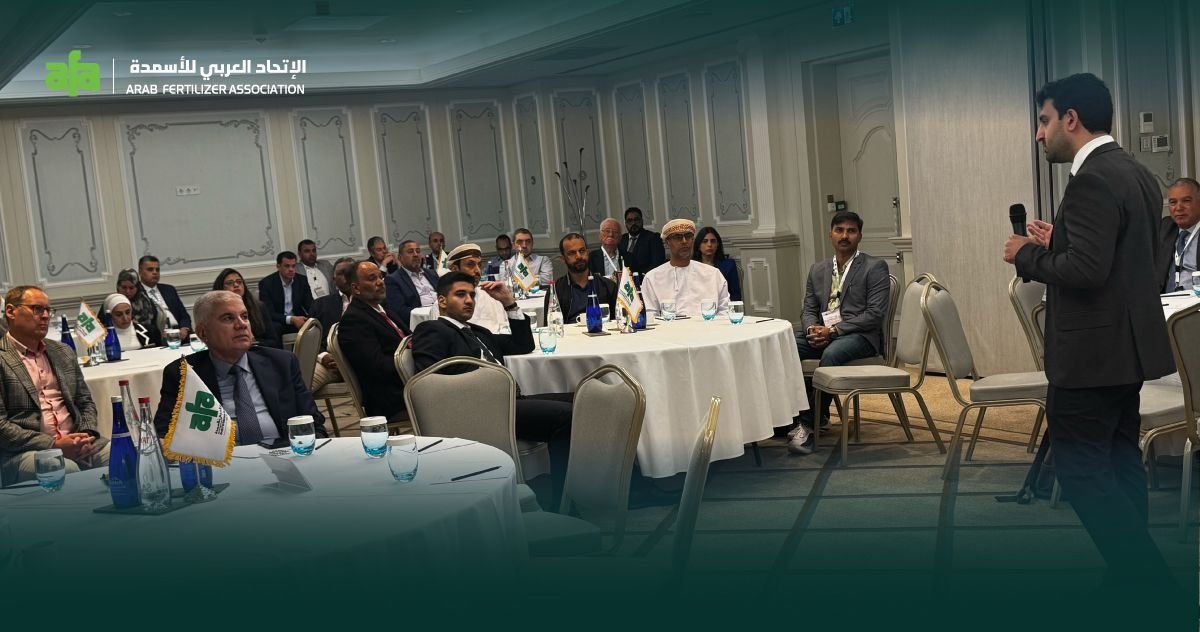
With strong participation and focused technical and economic discussions, AFA explores the future of energy markets and low-carbon ammonia on the third consecutive day of its Economic Workshop.
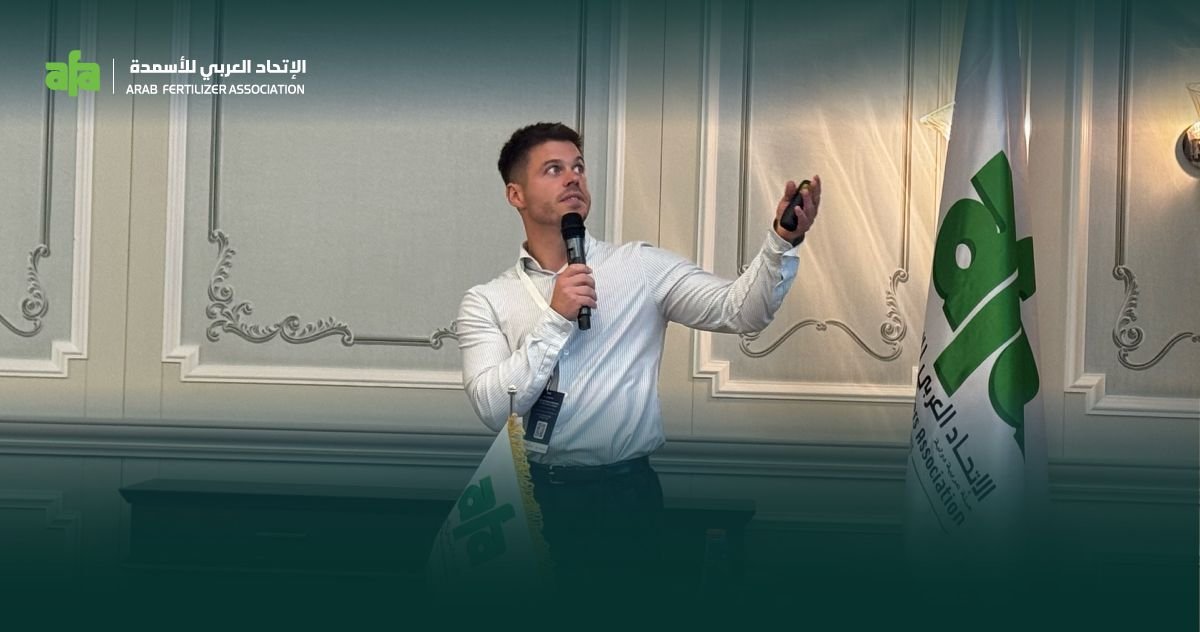
Poten & Partners Discusses Supply Chain Resilience and Logistics Developments at the Arab Fertilizer Association Workshop in Istanbul